Uncover Kaikōura
Mountains rise from the sea and marine life gathers just offshore. Kaikōura is compact, coastal, and defined by its relationship with the Pacific.
View toursOcean depth, with an alpine backdrop
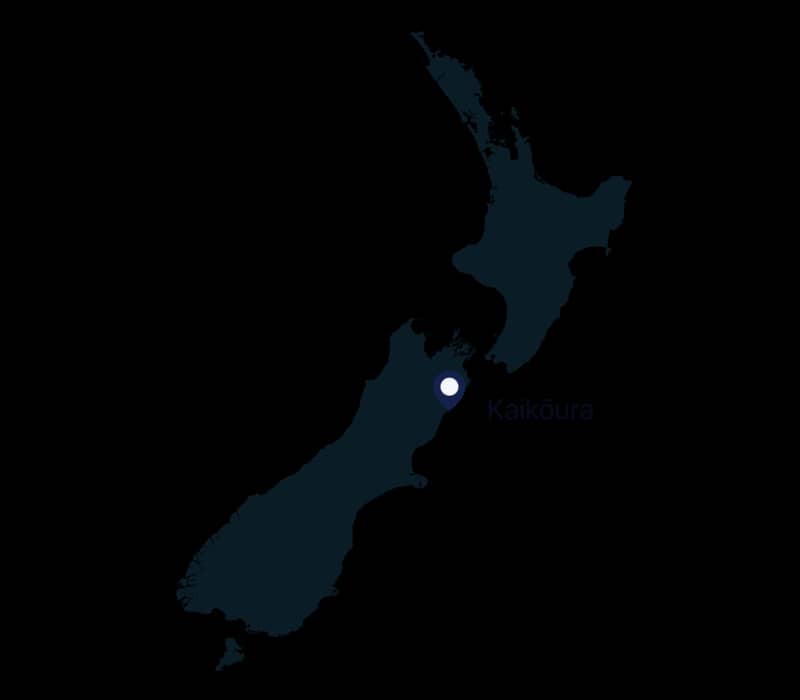
Kaikōura sits along the eastern coast of the South Island, where the Kaikōura Ranges meet the Pacific Ocean. Few places in New Zealand present such an immediate contrast. Snow-dusted peaks stand behind a shoreline known for some of the country’s richest marine life.
This is a town shaped by water. Deep offshore canyons draw whales close to land, while dolphins and seals move through coastal currents. Yet Kaikōura is not only about wildlife encounters. The peninsula walkway offers expansive views, and seafood remains central to the region’s identity. Positioned between Marlborough and Christchurch, Kaikōura works best as a one or two-night stay that centres on the ocean.
Expert travel consultants

Talk to our expert travel specialists
Contact usPopular road trips that include Kaikōura
Where the mountains meet the sea
Kaikōura lies approximately two hours south of Blenheim and just under three hours north of Christchurch along State Highway 1. The coastal drive itself is part of the experience, with sweeping sea views for much of the journey.
Its compact size means most activities depart close to town. Staying near the waterfront simplifies early wildlife tours and allows easy access to walking tracks. When sequenced carefully between Marlborough and Christchurch, Kaikōura becomes a purposeful stop rather than a roadside break.
Highlights of Kaikōura
Whale Watching
Dolphin Encounters
Ziplining
Seal Colonies
Fishing
Hapuku Kitchen Cooking
Scenic Whale Watching Flights
Kaikōura Peninsula Walkway
Scenic Heli Flights
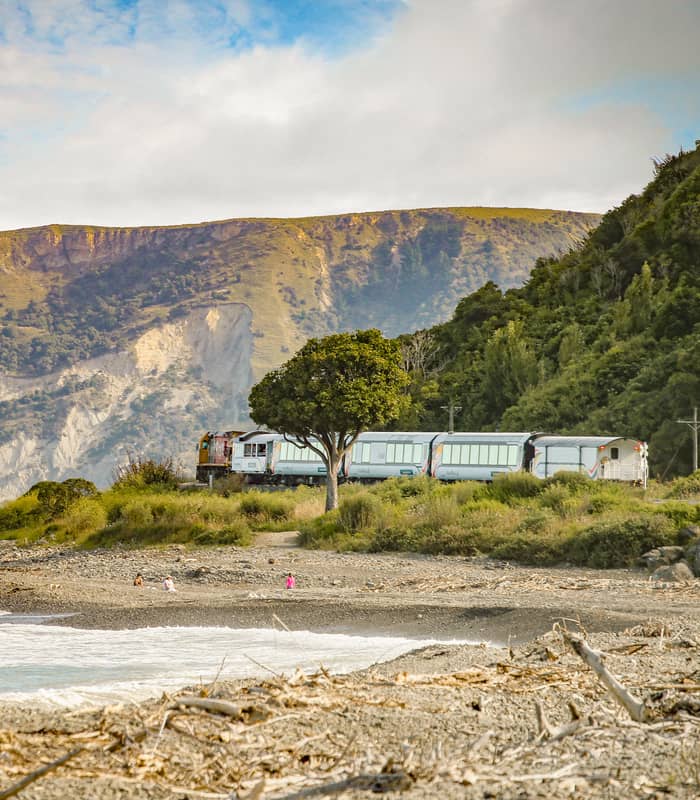
Coastal Pacific Scenic Train
Harmons Motor Museum
Why travel with New Zealand Self Drive Tours
New Zealand rewards those who move at their own pace. The difference is making sure the route truly works.
Self-drive journeys here are about more than hiring a car. They depend on real drive times, smart sequencing, and bases that reduce backtracking. With deep local knowledge and on-the-ground support, we design itineraries that flow naturally from region to region, with the right balance of scenery, experiences, and breathing room.
Every leg is considered. Every join is checked. If plans shift, you have one accountable team behind you. The result is a road trip that feels effortless, independent, well-paced, and supported from start to finish.
Oceanfront views or elevated outlook
Accommodation in Kaikōura ranges from waterfront hotels to boutique lodges positioned slightly above town. Staying near the shoreline allows early departures for whale watching tours and easy access to restaurants. Elevated stays offer broader views across the bay toward the mountains.
Because wildlife excursions are often weather dependent, positioning your stay for flexibility is important. A well-chosen base allows you to adjust tour timing if sea conditions shift, without disrupting the wider itinerary.
We design your entire
New Zealand journey, from arrival through to farewell.
Key info about Kaikōura
Best times to visit Kaikōura
Kaikōura can be visited year-round, with marine wildlife present throughout the seasons. Summer offers calmer sea conditions and longer daylight hours. Autumn often brings settled weather and fewer visitors. Spring sees fresh alpine snow on surrounding peaks. Winter is cooler, though wildlife tours continue subject to sea conditions.
Flexible scheduling is helpful, particularly for whale watching, as departures depend on ocean conditions.
Highlighted tour:
The Ultimate NZ Coastal SafariBest times to visit
Spring
September - November
Avg Temp: 7 – 17 ℃ / 45 – 63 ℉
Summer
December - February
Avg Temp: 12 – 22 ℃ / 54 – 72 ℉
Autumn
March - May
Avg Temp: 9 – 19 ℃ / 48 – 66 ℉
Winter
June - August
Avg Temp: 2 – 13 ℃ / 36 – 55 ℉
Getting to Kaikōura
Kaikōura is accessed primarily by road along the east coast of the South Island. There is no major commercial airport in town.
Driving times from key cities
Blenheim to Kaikōura
2 hours
Christchurch to Kaikōura
2 hours 45 minutes
Nelson to Kaikōura
4 hours
Picton to Kaikōura
2 hours 30 minutes
Kaikōura FAQs
Travellers planning time in Kaikōura often have questions about wildlife reliability and weather conditions. Below are common considerations.
One to two nights is usually sufficient to experience a wildlife tour and explore the peninsula walkway.
While sightings are frequent, they are wildlife experiences and subject to natural conditions.
Yes, though sea conditions can occasionally affect tour departures.
Most marine wildlife tours operate throughout the year, weather permitting.
Yes. The township is compact and easily explored on foot.
Yes. It sits naturally between the two and works well as a scenic coastal stop.
Yes. Fresh crayfish remains closely associated with Kaikōura’s identity.
Expert travel consultants
Talk to our expert travel specialists
Dreaming about your New Zealand road trip but don't know where to start?
If you’re still shaping ideas, our New Zealand travel guide is a practical place to begin. It covers route suggestions, seasonal considerations, driving distances, and how to build a road trip that feels balanced from day one.