Nature
Discover ItinerariesExperience the raw elements of Aotearoa
Nature in New Zealand isn’t confined to national parks. It surrounds you constantly.
Volcanic plateaus steam in the North Island. Glaciers descend toward rainforest on the West Coast. Alpine passes rise above turquoise lakes in the South. Coastlines stretch wild and undeveloped for kilometres at a time.
The country’s compact size means dramatic shifts in terrain happen quickly. Within a single day’s drive, you can move from geothermal valleys to high mountain ranges.
A well-designed itinerary allows space to absorb these changes rather than rush past them.
Popular Nature Tours
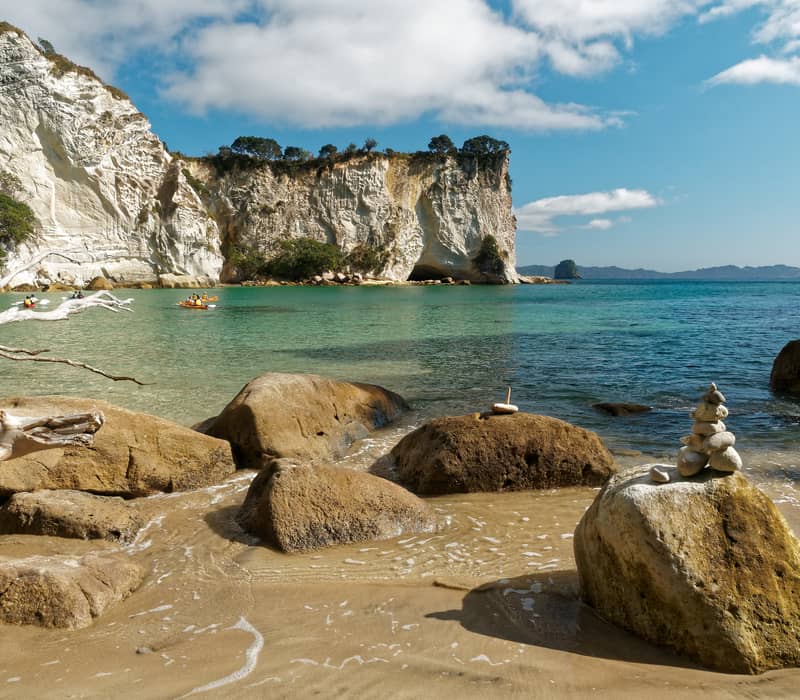
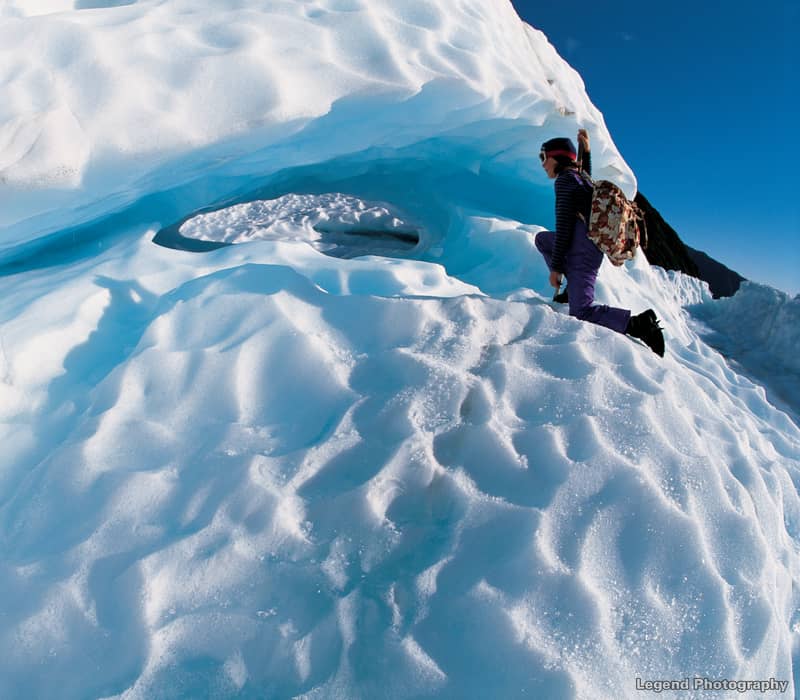
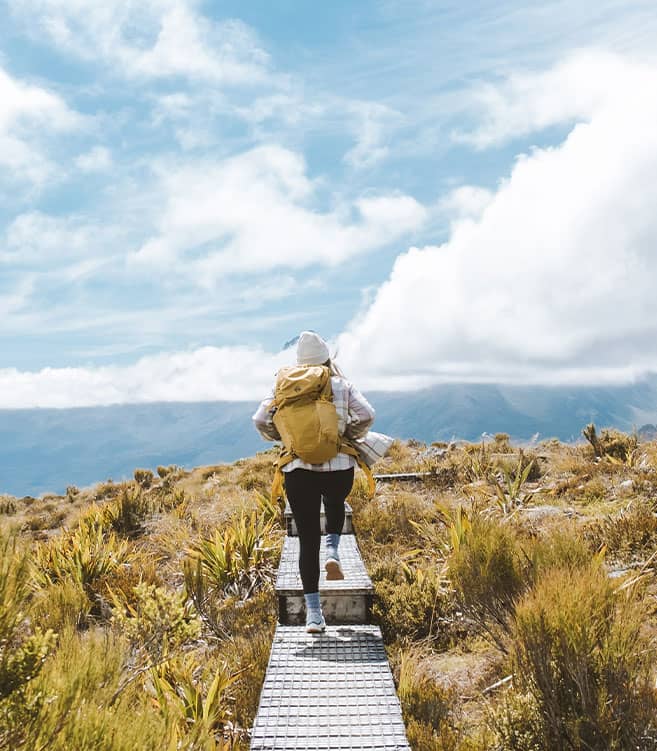
Bucket List New Zealand Nature Experiences
Milford Sound Cruise
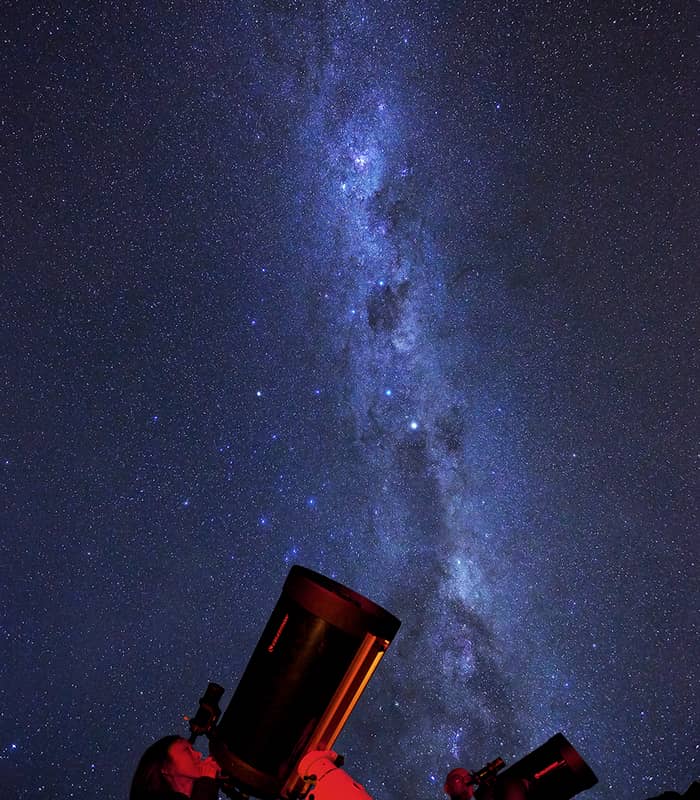
Stargazing
Heli-Hiking
Rainforest Hot Tubs
Kayaking Tours
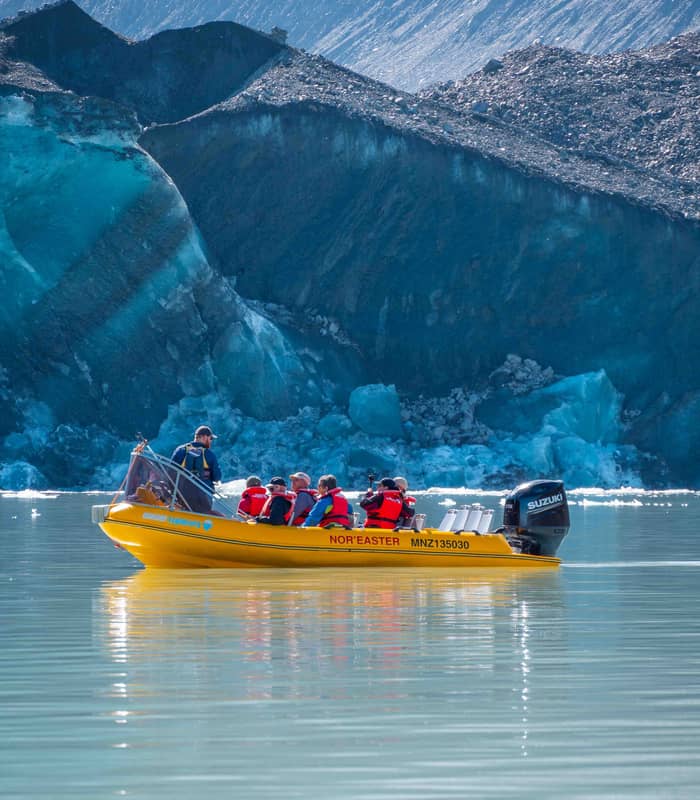
Glacier Explorers
Guided Hiking
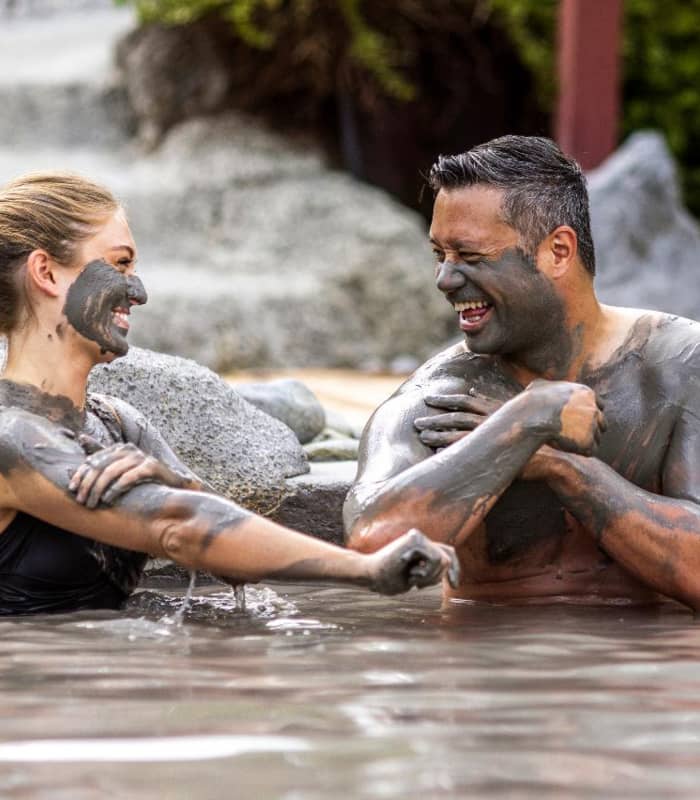
Geothermal Hot Springs
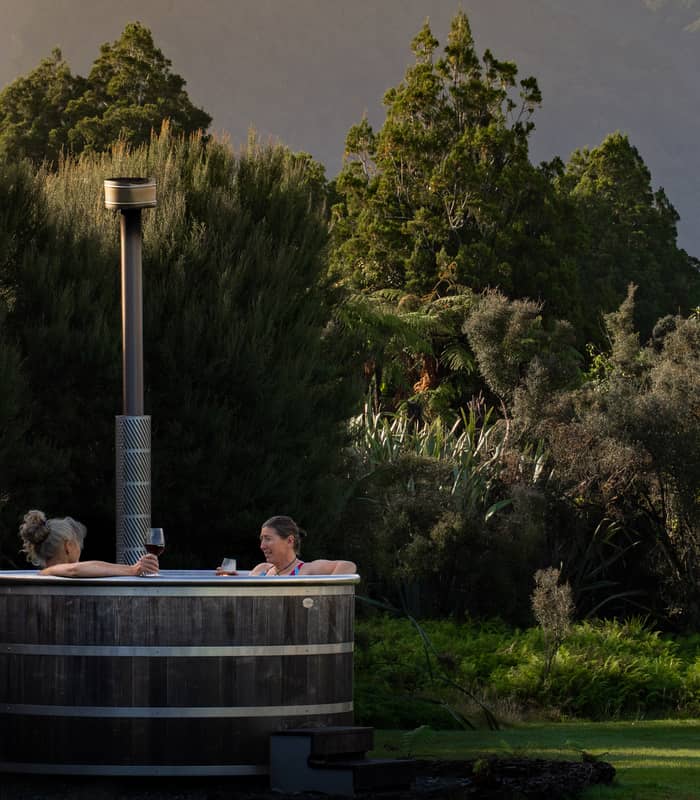
Hollyford Wilderness Experience
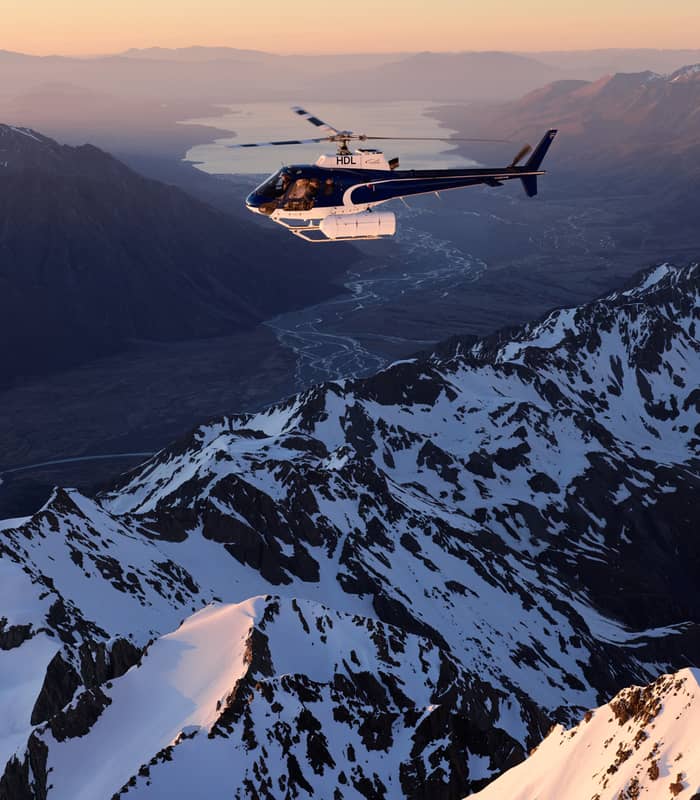
Scenic Flights
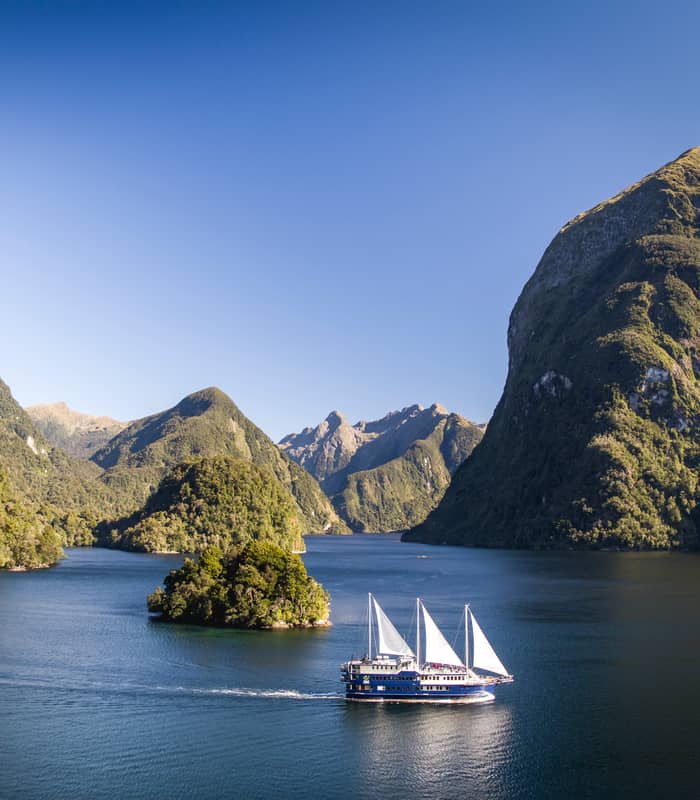
Doubtful Sound Cruise
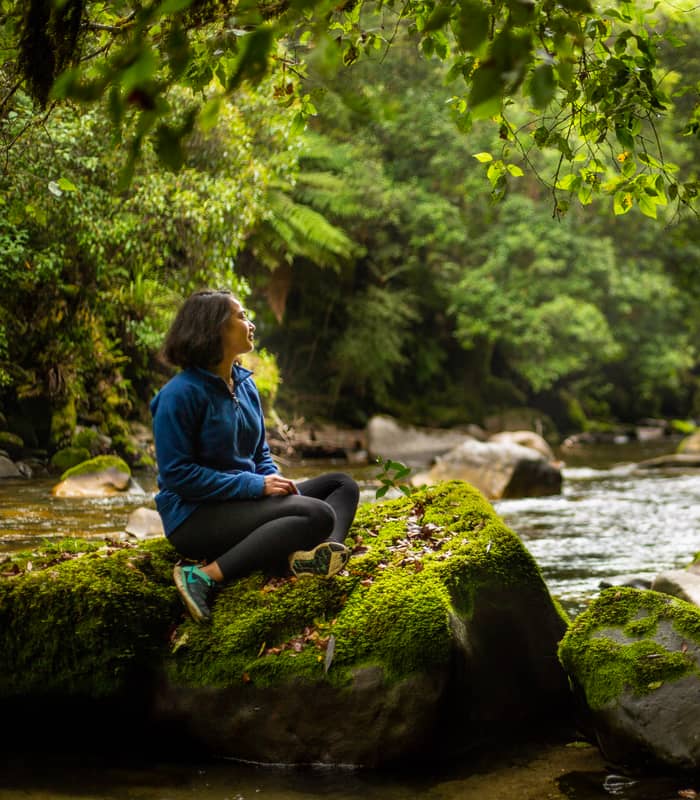
Guided Forest Tours
Whakarewarewa Forest (Redwoods)
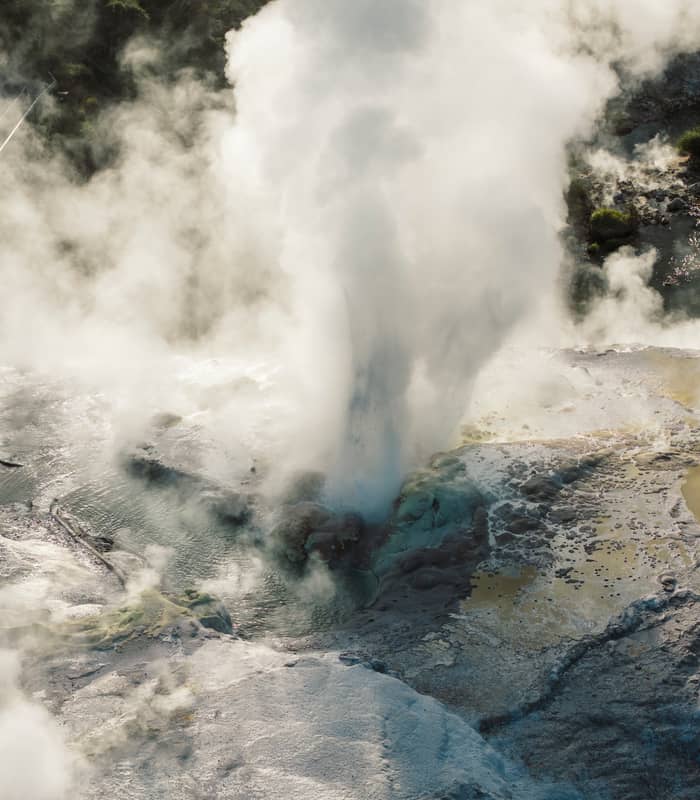
Geothermal Valleys
Explore these landscapes with locals who understand their rhythm
New Zealand’s scenery is powerful, but sequencing matters.
We design tailor-made itineraries that consider light, weather patterns, and travel flow. Some alpine regions are best experienced early in the morning. Coastal drives benefit from unhurried pacing. Volcanic terrain requires flexibility.
By positioning stays thoughtfully and allowing adequate time in each region, nature becomes immersive rather than fleeting.
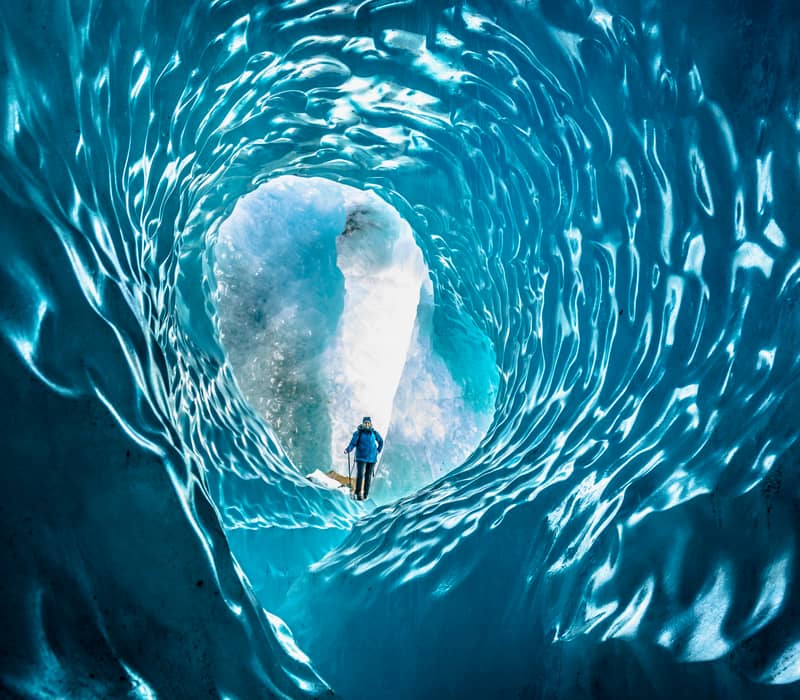
Add meaningful experiences to your New Zealand journey
Best Nature Areas in New Zealand
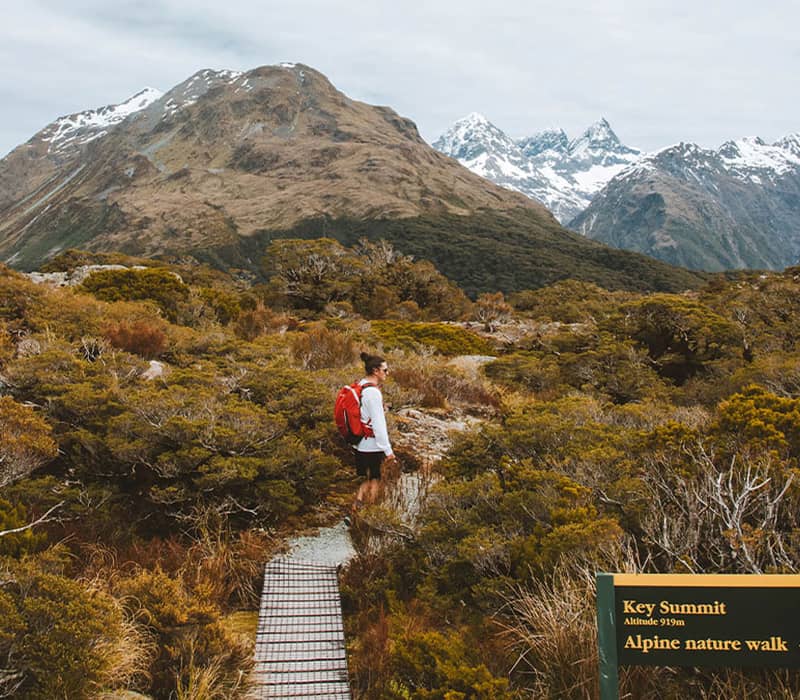
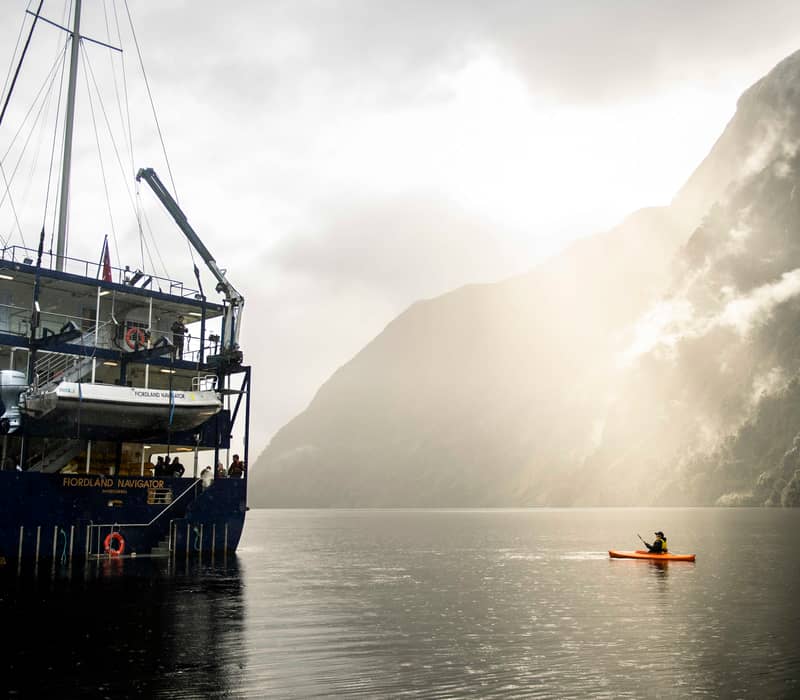
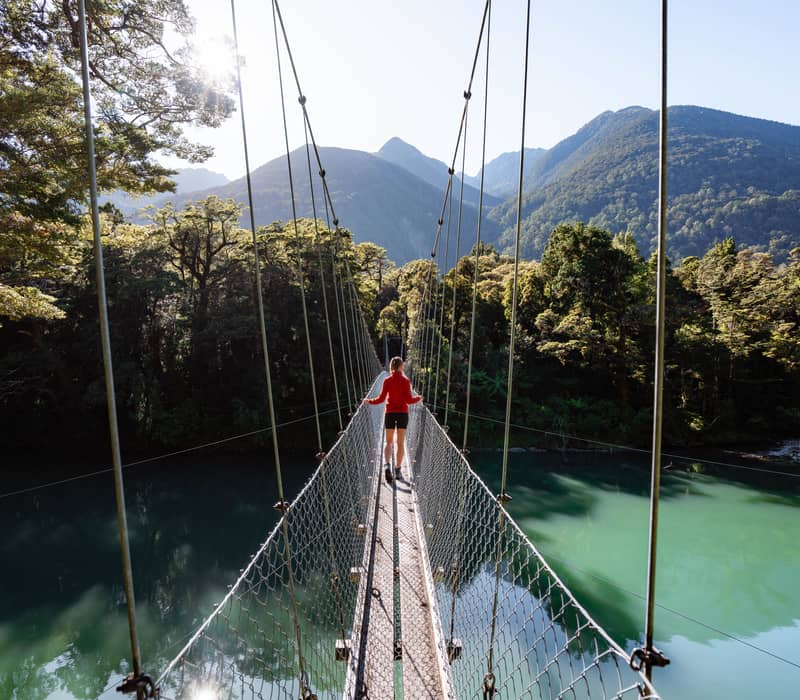
Fiordland National Park
Fiordland is nature at its most immense and unfiltered. Glacier-carved valleys plunge into dark, still waters, while vertical granite walls rise abruptly from the fiords. Rainfall is part of the character here, transforming the cliffs into temporary ribbons of white as waterfalls spill from hanging valleys.
Best time to visit
Spring
September - November
Avg Temp: 5 – 15 ℃ / 41 – 59 ℉
Summer
December - February
Avg Temp: 10 – 20 ℃ / 50 – 68 ℉
Autumn
March - May
Avg Temp: 7 – 17 ℃ / 45 – 63 ℉
Winter
June - August
Avg Temp: 1 – 10 ℃ / 34 – 50 ℉
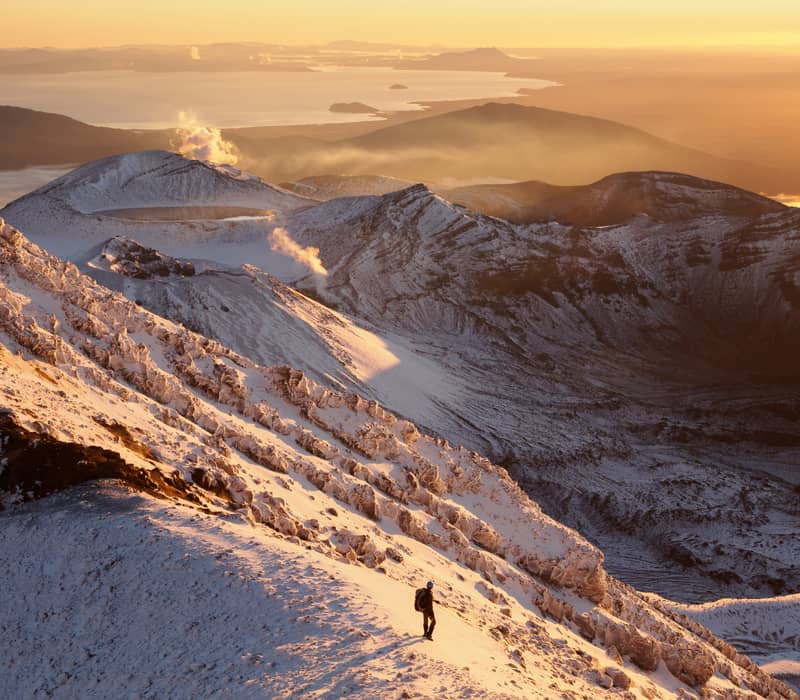
Tongariro National Park
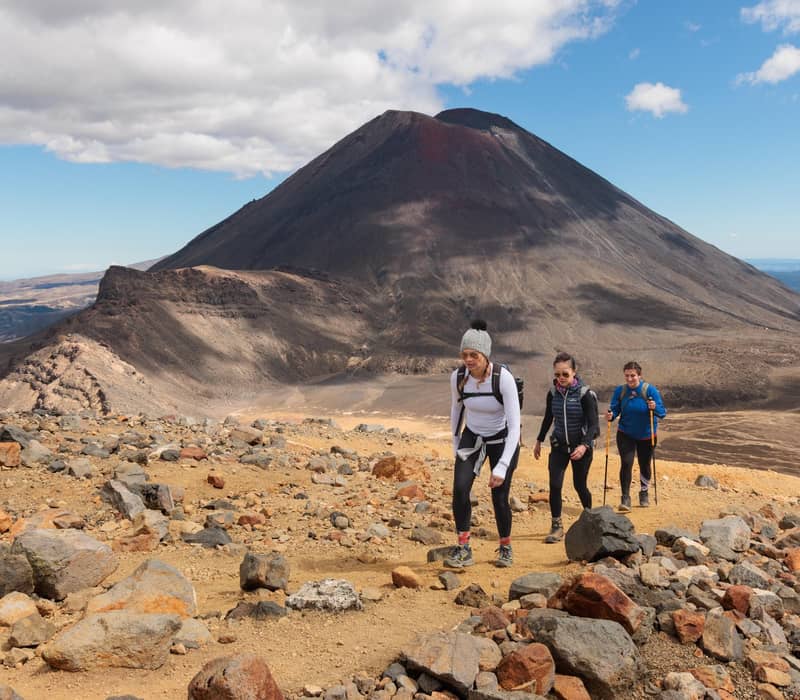
Tongariro’s landscape feels raw and elemental, shaped by volcanic force rather than glacial ice. Crater lakes glow green against dark rock, steam vents rise from exposed slopes, and ridgelines stretch across a stark alpine plateau. The terrain is open and dramatic, with little to soften its scale.
Best time to visit
Spring
September - November
Avg Temp: 2 - 14 ℃ / 36 - 57 ℉
Summer
December - February
Avg Temp: 7 - 20 ℃ / 45 - 68 ℉
Autum
March - May
Avg Temp: 3 - 16 ℃ / 37 - 61 ℉
Winter
June - August
Avg Temp: -3 - 10 ℃ / 27 - 50 ℉
Aoraki / Mount Cook National Park
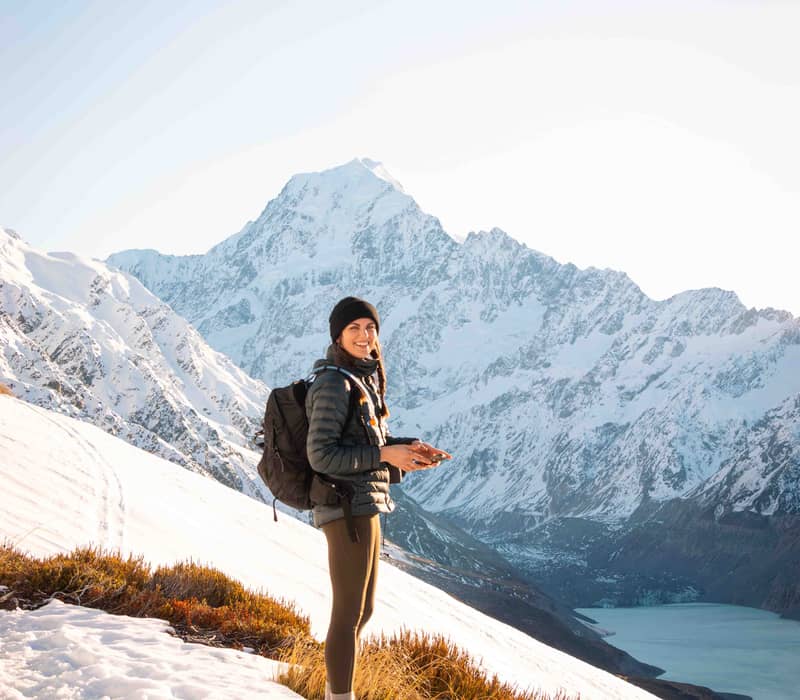
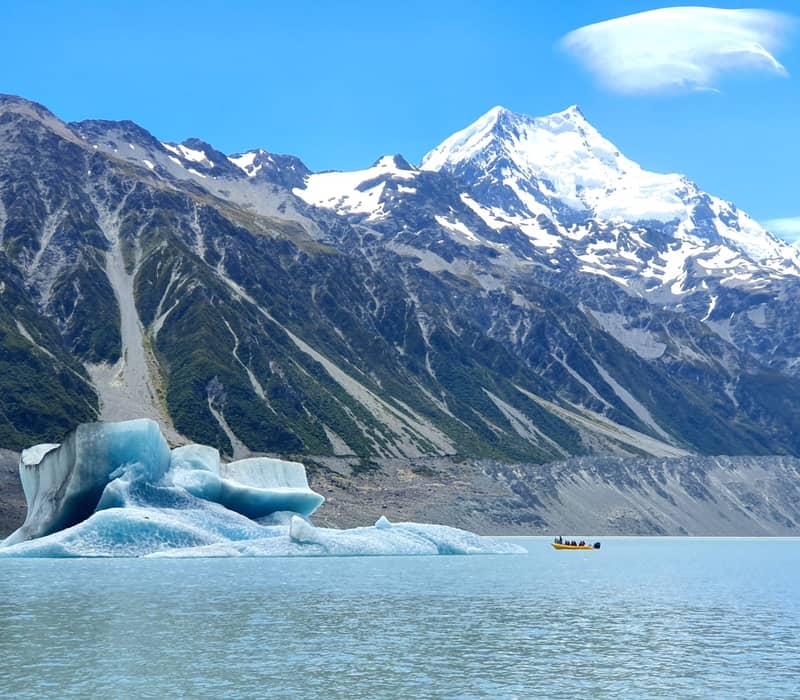
Aoraki / Mount Cook National Park is defined by height and light. Glacial rivers braid across wide valleys beneath snow-lined peaks, and the country’s tallest mountain dominates the skyline. Even short walks reveal ice-blue lakes, moraine fields, and sharp alpine contrast.
Spring
September - November
Avg Temp: 2 – 14 ℃ / 36 – 57 ℉
Summer
December - February
Avg Temp: 7 – 20 ℃ / 45 – 68 ℉
Autumn
March - May
Avg Temp: 3 – 16 ℃ / 37 – 61 ℉
Winter
June - August
Avg Temp: -6 – 8 ℃ / 21 – 46 ℉
Nature FAQs
Exploring New Zealand’s landscapes involves timing, weather flexibility, and thoughtful sequencing across regions.
Yes. Weather significantly shapes the experience, particularly in alpine and coastal regions. Flexible scheduling improves outcomes.
Two nights often allow the best opportunity to experience changing light and conditions.
Absolutely. Many of New Zealand’s most rewarding landscapes are accessed via alpine passes and coastal highways.
Yes. Nature pairs easily with hiking, wildlife, photography, and cultural experiences.