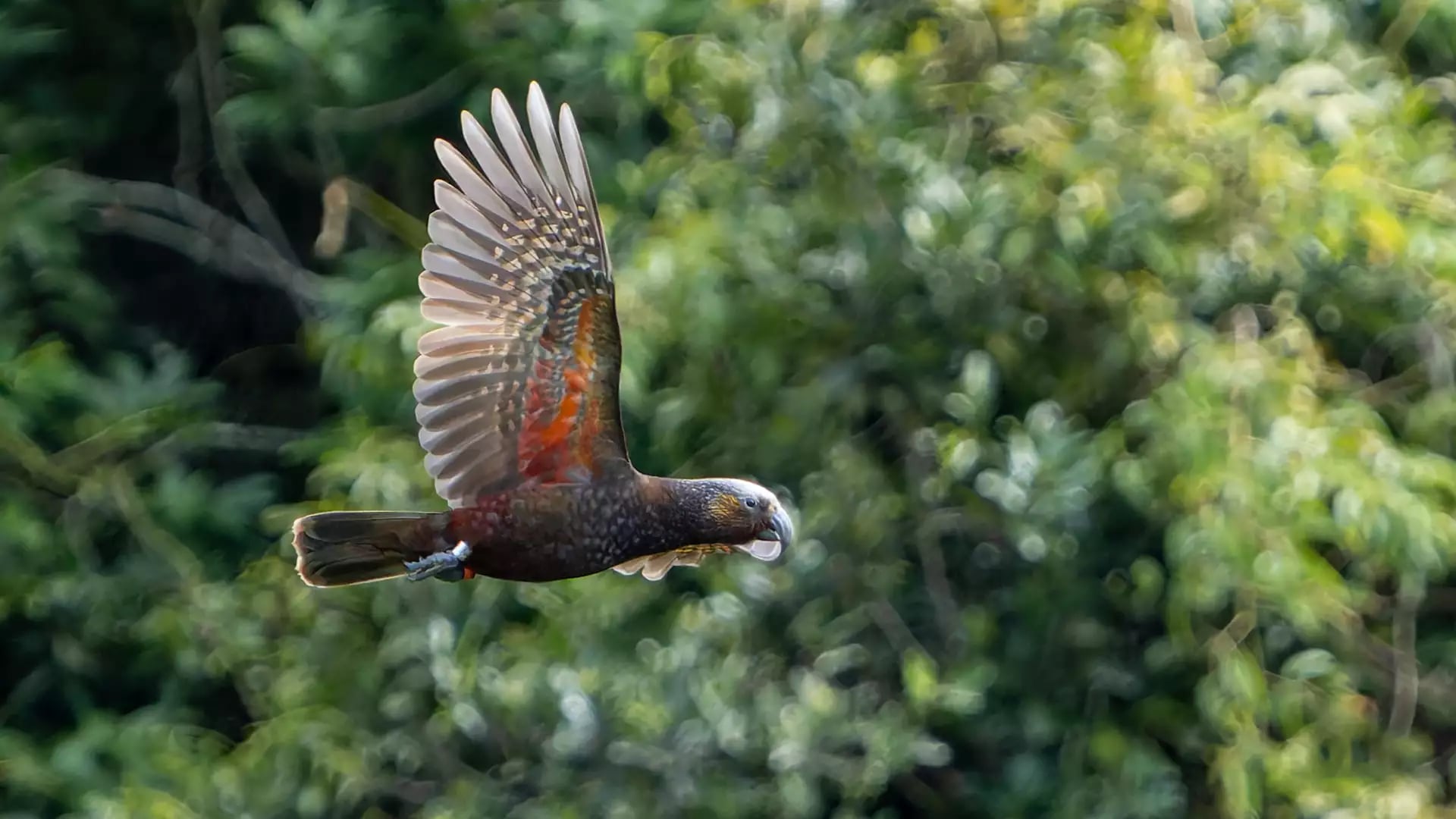
Wildlife
Discover ItinerariesWildlife, experienced in raw New Zealand
New Zealand’s wildlife is often found at the edge of land and sea.
Whales surface off Kaikōura. Dolphins move through the Bay of Islands. Rare yellow-eyed penguins return to shore in the Catlins. On Stewart Island, kiwi roam in the wild after dark.
Encounters here feel quieter and less commercial. Many experiences take place in open environments rather than enclosed reserves. Timing matters. Season matters. Location matters.
With the right planning, wildlife becomes a meaningful highlight rather than a brief stop between destinations.
Popular Wildlife Tours
Key Wildlife Experiences
Zealandia
Whale Watching
Swim with Dolphins
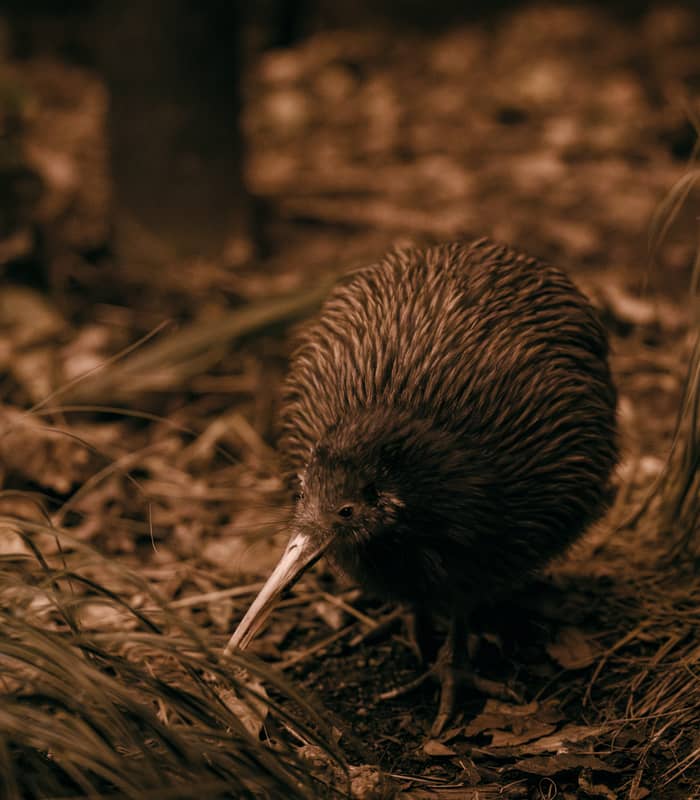
Kiwi Spotting
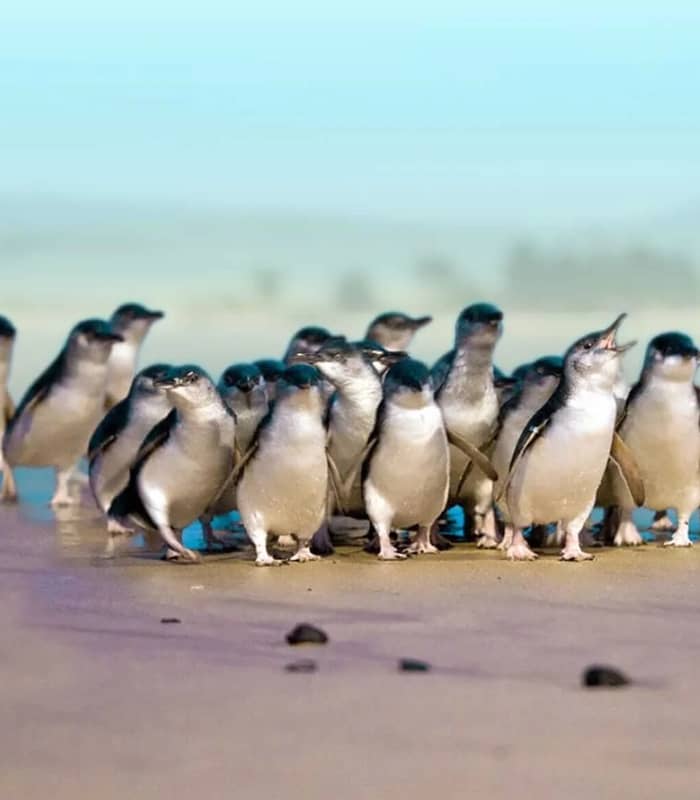
Penguin Encounters
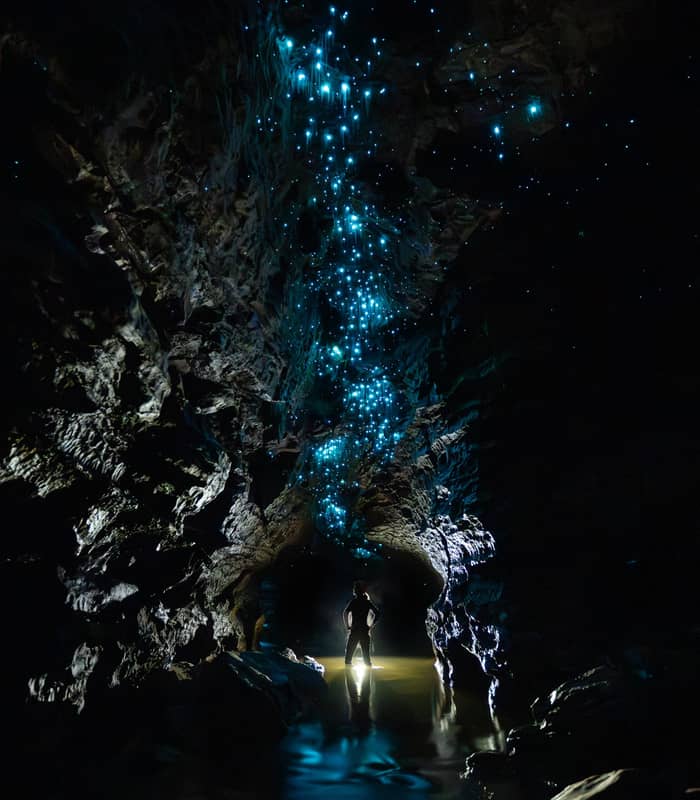
Glowworm Caves
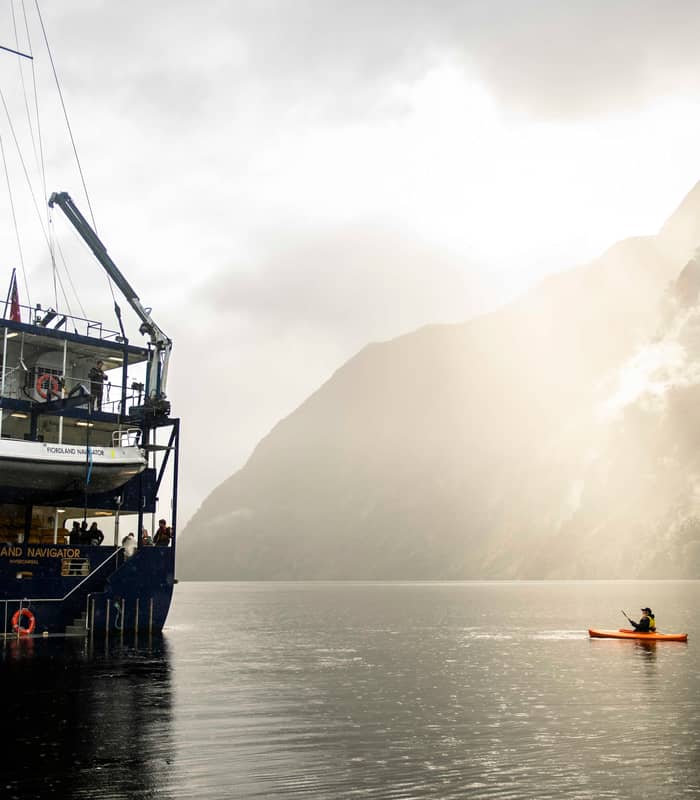
Doubtful Sound Overnight Cruise
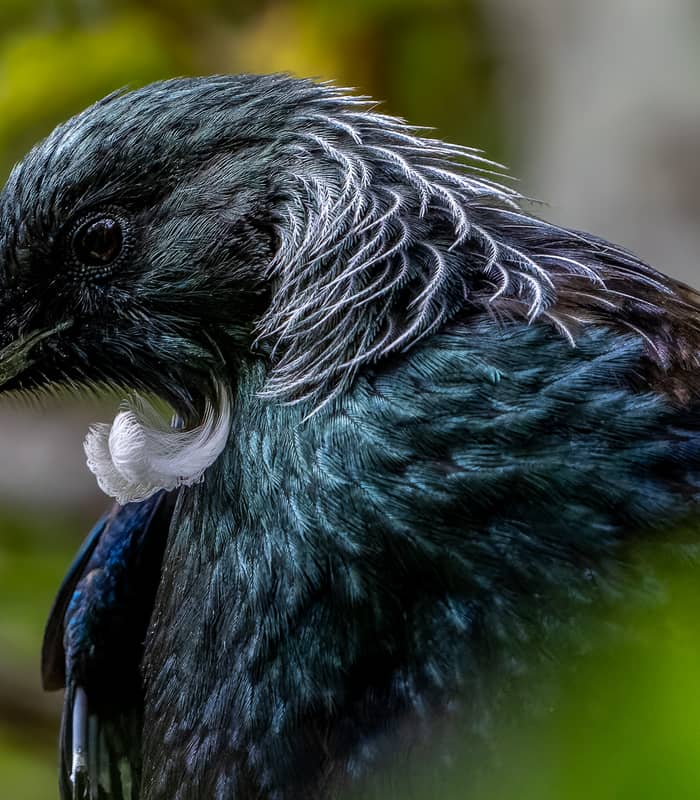
Bird Watching Tours
Best of New Zealand Wildlife
Kiwi
Tūī
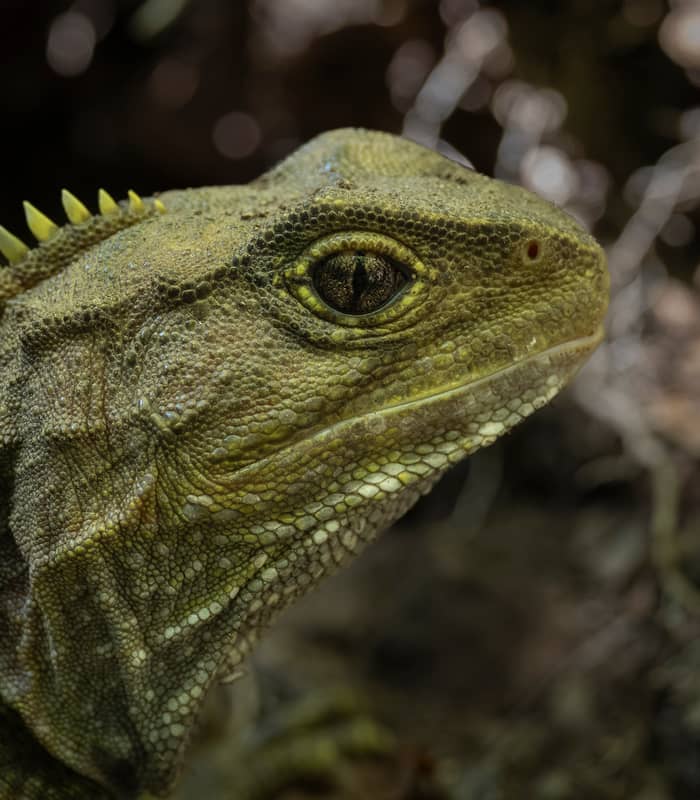
Tuatara
Yellow Eyed Penguin
Kākā
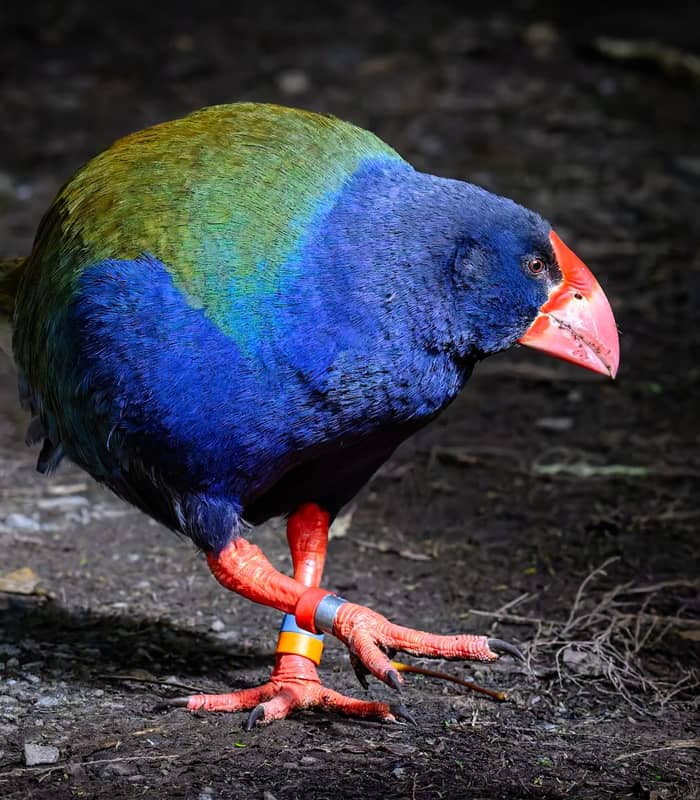
Takahē
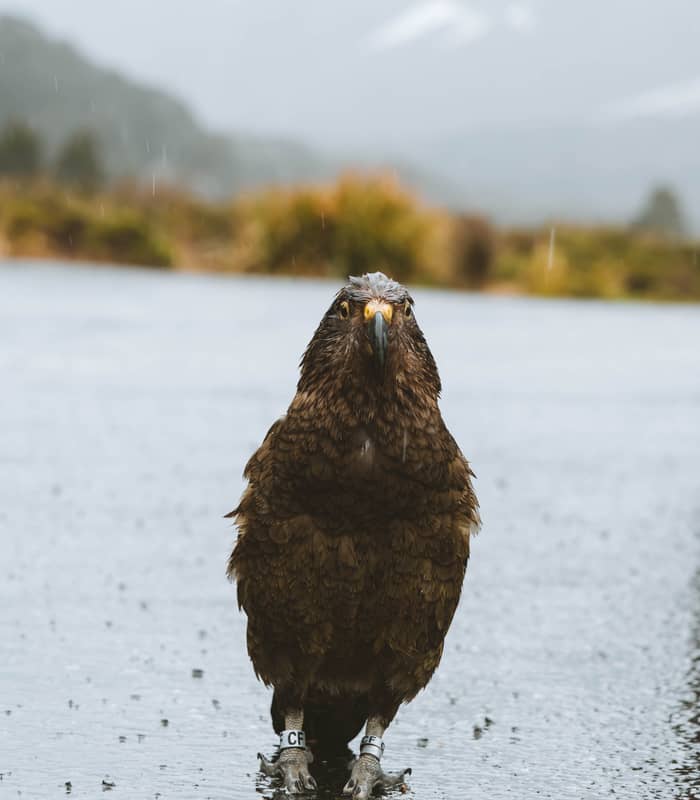
Kea
New Zealand Fur Seal
Sperm Whales

Orca
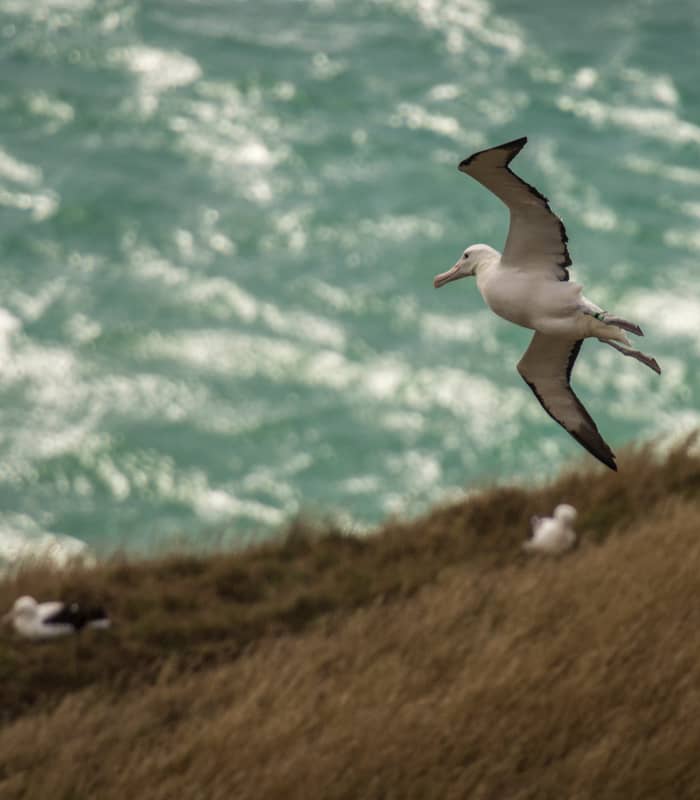
Albatross
Dolphin Species
Fiordland Crested Penguin
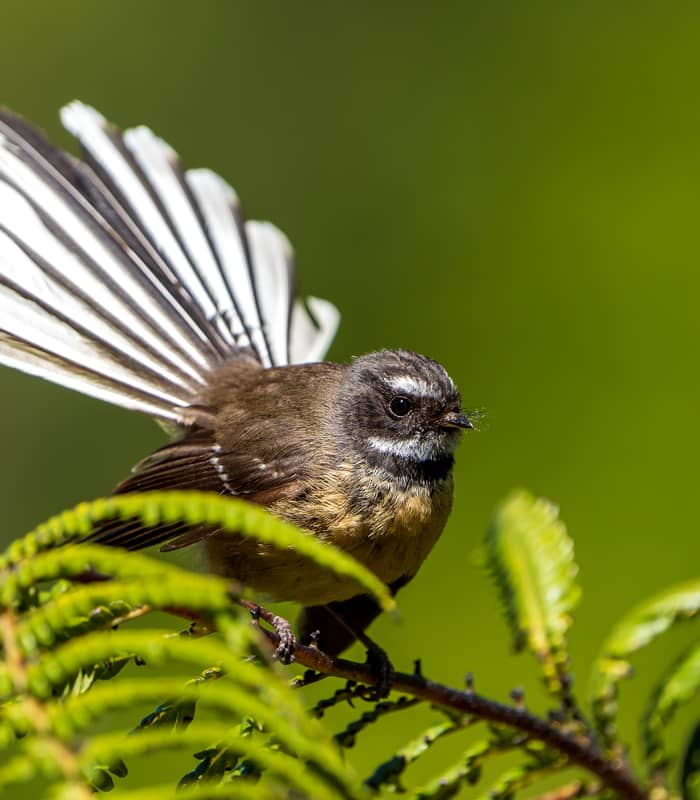
Fantail
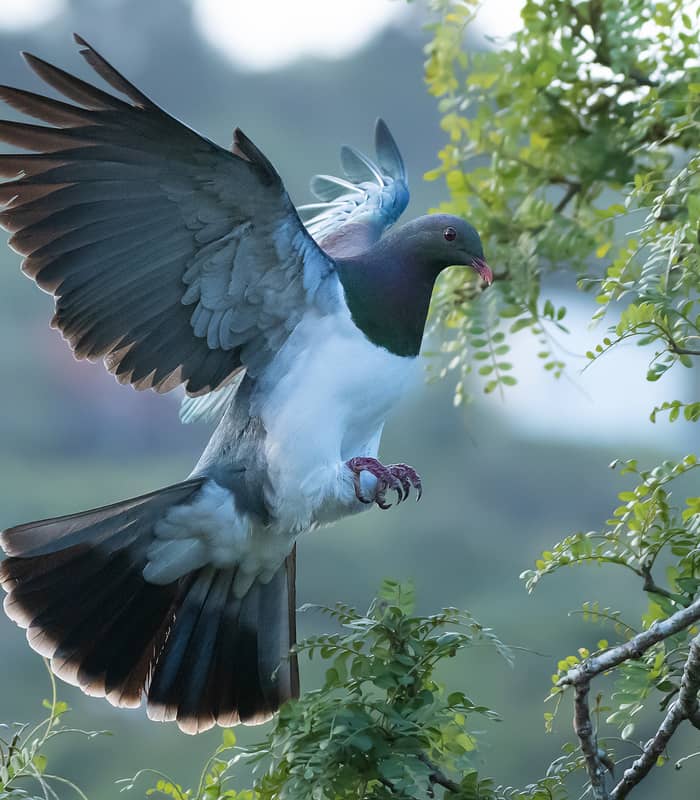
Kererū
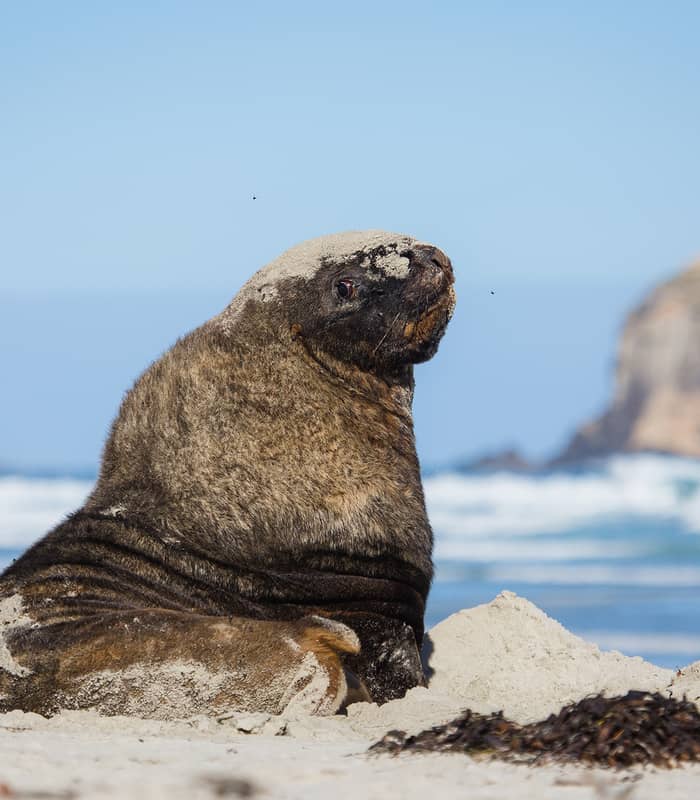
Sea Lions

Little Blue Penguin
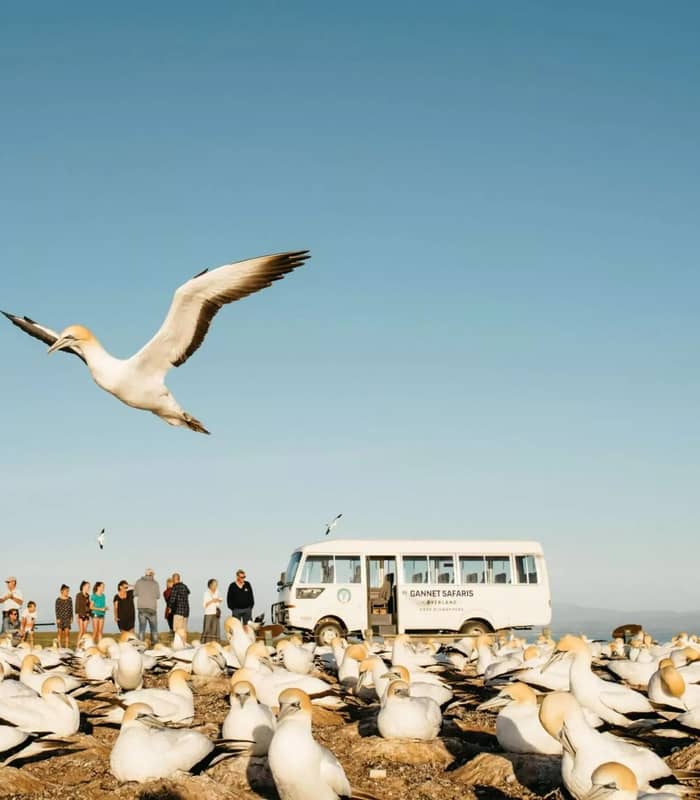
Gannets
Plan your wildlife encounters with locals who understand these habitats
Wildlife experiences rely on timing and location. Marine conditions shift. Birdlife follows seasonal patterns. Some encounters are best early in the day. Others depend on tide or light.
We design tailor-made itineraries that position wildlife experiences deliberately within your route, allowing for seasonal insight and minimal disruption to natural rhythms. Where possible, we prioritise conservation-focused operators and smaller group experiences.
The result is an encounter that feels responsible, immersive, and memorable.
Add meaningful experiences to your New Zealand journey
Best Places for Wildlife in New Zealand
Kaikōura
Kaikōura’s unique underwater topography brings marine life close to shore. Whale watching operates year-round, with additional dolphin and seabird encounters available seasonally.
Best time to visit
Spring
September - November
Avg Temp: 7 – 17 ℃ / 45 – 63 ℉
Summer
December - February
Avg Temp: 12 – 22 ℃ / 54 – 72 ℉
Autum
March - May
Avg Temp: 9 – 19 ℃ / 48 – 66 ℉
Winter
June - August
Avg Temp: 2 – 13 ℃ / 36 – 55 ℉
Dunedin
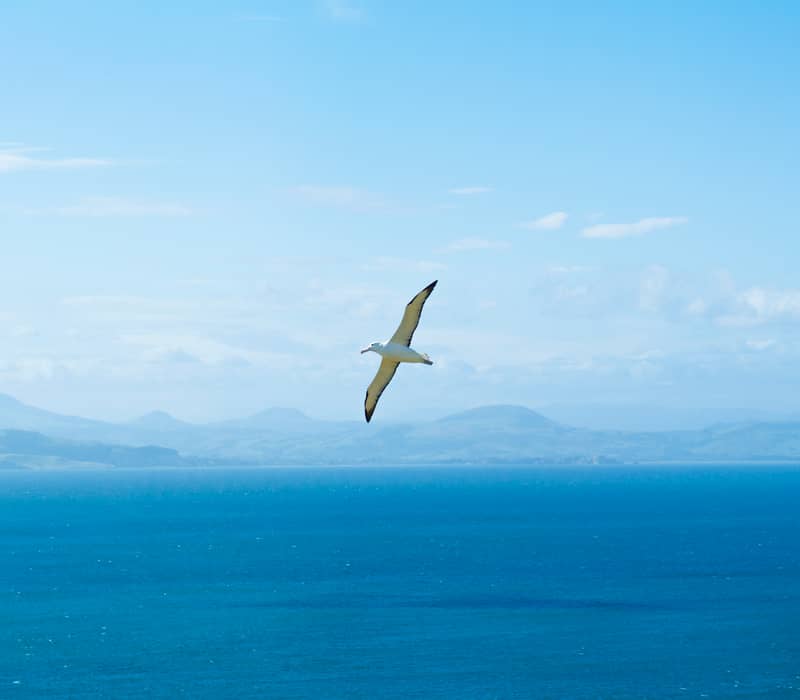
The Otago Peninsula provides guided access to rare yellow-eyed penguins and northern royal albatross colonies. Wildlife tours are structured to minimise disturbance.
Best time to visit
Spring
September - November
Avg Temp: 6 – 16 ℃ / 43 – 61 ℉
Summer
December - February
Avg Temp: 11 – 19 ℃ / 52 – 66 ℉
Autumn
March - May
Avg Temp: 8 – 17 ℃ / 46 – 63 ℉
Winter
June - August
Avg Temp: 2 – 12 ℃ / 36 – 54 ℉
Wildlife FAQs
Wildlife encounters are shaped by season, location, and natural conditions, which often prompts important planning questions.
Kaikōura offers year-round whale sightings, though marine conditions vary seasonally.
Wildlife sightings depend on natural behaviour and conditions. Experienced guides maximise opportunities but encounters remain nature-led.
Many marine and coastal tours are family-friendly, though age restrictions may apply to certain activities.
Two to three nights in key regions allow flexibility around weather and tour timing.